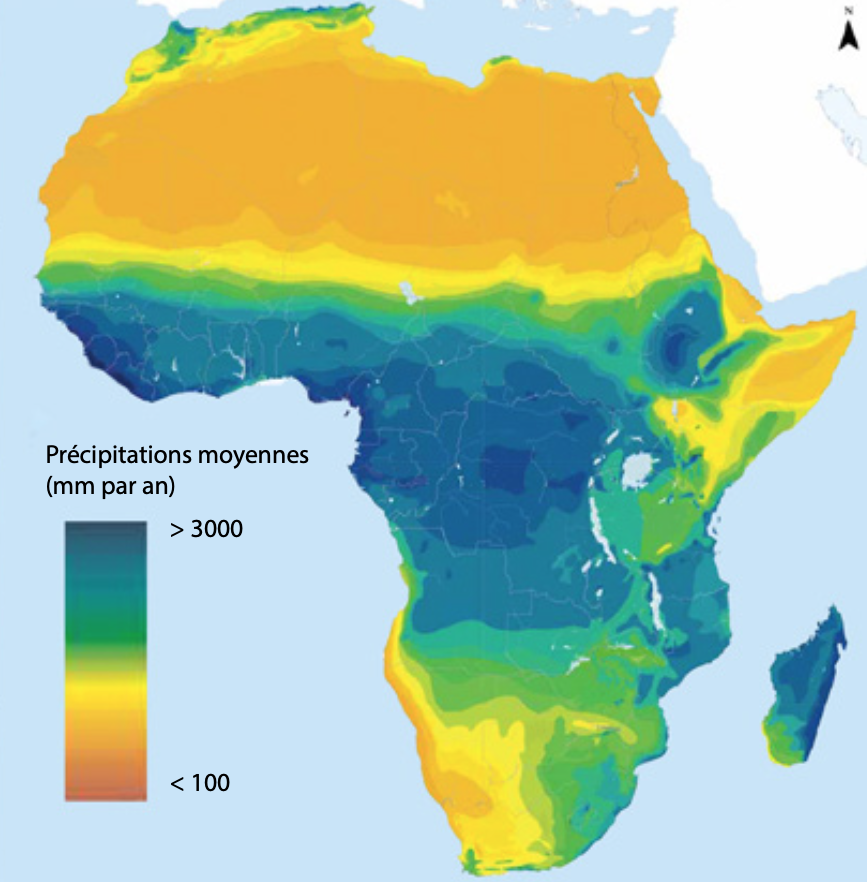
The progressive humidification of the Sahel is underway, driven by global warming.
The considerable amounts of water arriving with increasing intensity each year during the rainy season are not retained by the ground and cause erosion. This phenomenon is moving further north each year and will soon reach the Sahara. The Sahara will then turn green again and become habitable land, as it was 5,000 years ago.
Effective methods to retain this water and refertilize the land have existed since the beginning of the century but have not yet been systematically implemented.
Such an action would create habitable land for the people of the Sahel, and subsequently, on a larger scale, for other populations in search of habitable land.
This would make a massive contribution to solving two major problems: migration and climate balance.
The humidification of the Sahel is a current phenomenon. This process is supported by the warming of ocean temperatures. The African monsoon, carried by humid winds from the Gulf of Guinea during the summer, is penetrating further north into the Sahelian zones.
Increased rainfall is noticeable throughout the Sahel, from Senegal to Chad.
Fixing rainwater in the soil is a method currently used. It consists of digging basins and planting or sowing trees and vegetation in them. This method is called 'zaï'. It is currently widely promoted in these countries.
The effectiveness of the zaï can be multiplied to the extreme by using a special plow of the 'Vallerani' type. This 'dolphin' plow digs basins that can each absorb 1 m³ of water during the rainy season. The moisture persists there throughout the dry season. The condition for successful greening is that local farmers and herders sow the seeds of tree species they have harvested themselves into the basins. Grass seeds arrive via the wind. This action must be taken before the rainy season. Grazing can gradually resume from the first year after the seedlings grow. Coordination between the digging site and the farmers' actions is crucial.
Very convincing experiments were carried out in Burkina Faso during the Deserto Verde project between 2003 and 2015. They were designed in close collaboration with local herders, hence their remarkable effectiveness. Large agroforestry zones thus emerged from plateaus that were previously desertified.
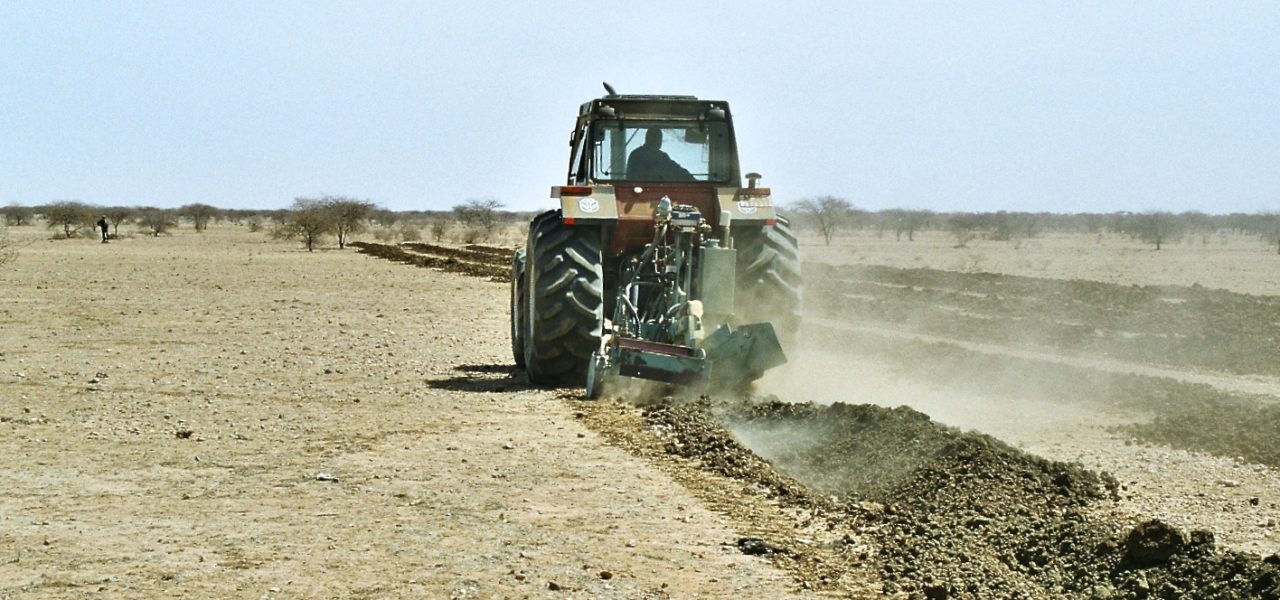
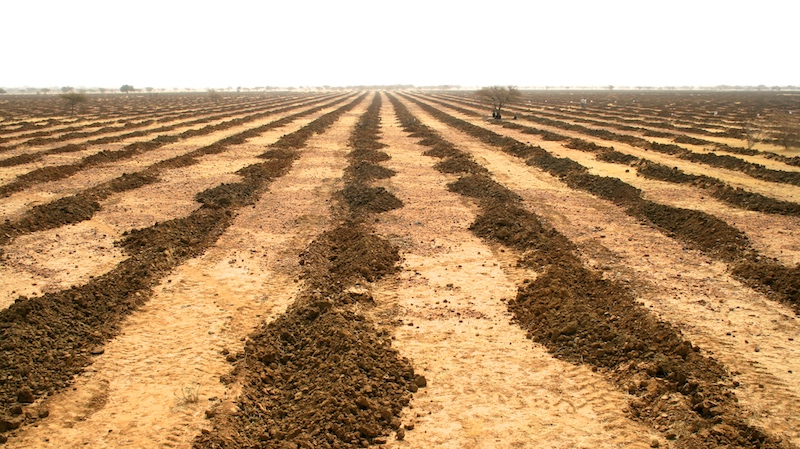
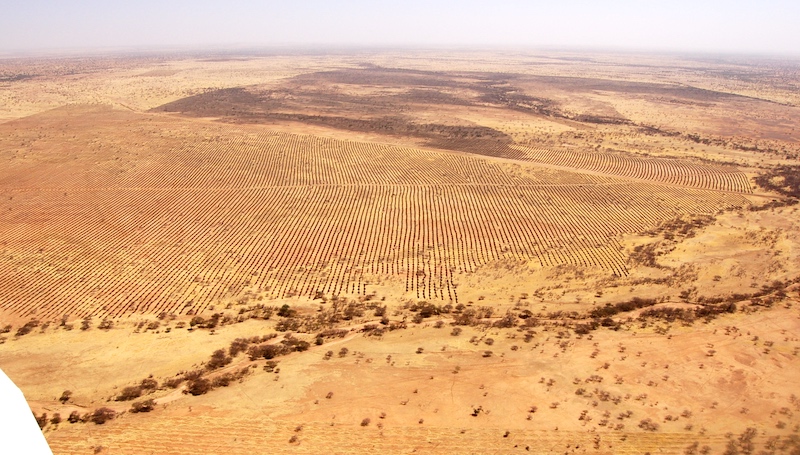
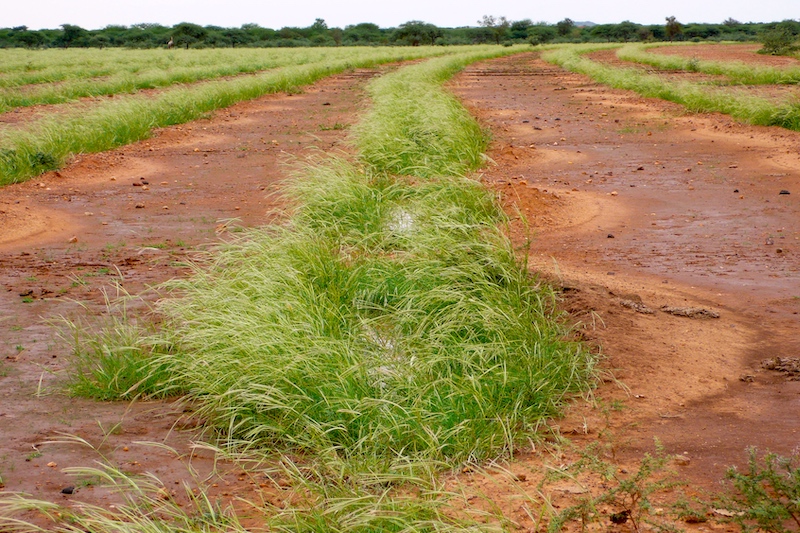
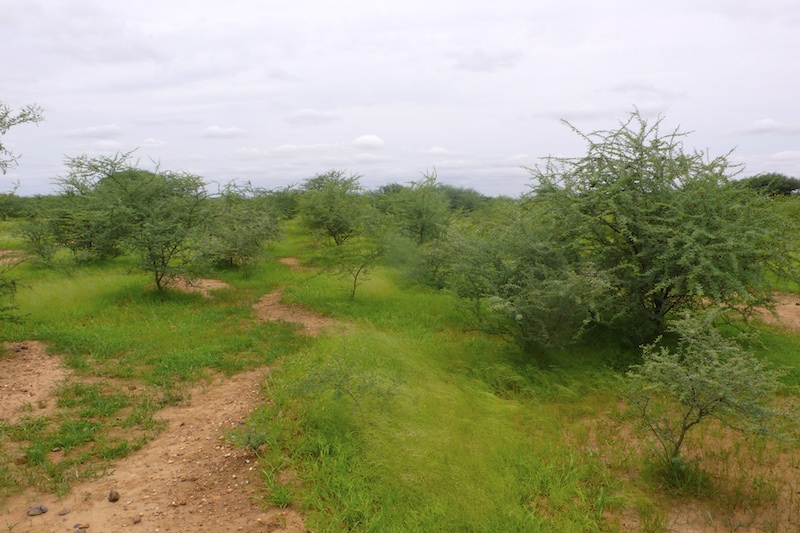
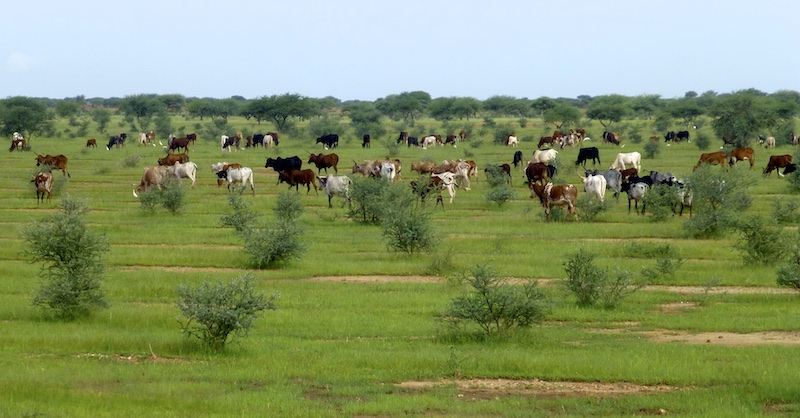
North of Burkina Faso, the desert is turning green as far as the eye can see. As early as 2003, Lindo Grandi, a Ticino forest ranger, undertook, with Amadou Boureima, a Burkinabé agricultural technician, the sowing of vegetation resistant to arid environments. For this purpose, he used the 'dolphin' (delfino) plow developed by Italian engineer Venanzio Vallerani. 3,700 hectares were thus transformed from a desert into an agroforestry landscape. In 2015, this extraordinary experience was unfortunately stopped by insecurity, which is particularly strong in this region.
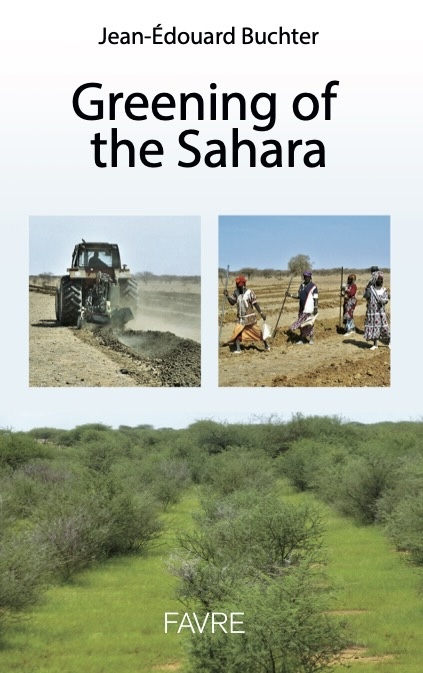
For more details, see the work by Jean-Edouard Buchter:
- Sahara, planche de salut, Ed. Favre, Lausanne 2023 (version papier)
- Verdir la Sahara (version numérisée du précédent, Ed. Favre)
Deserto Verde Project: - cost per hectare: between €60 and €160 depending on land conditions.
After this initial investment, the sale of carbon certificates generates considerable sums and can largely finance the extension of the site. Indeed, the green mass produced is considerable and increases every year. Estimates are available for potential investors from the Reverdir le Sahara foundation.